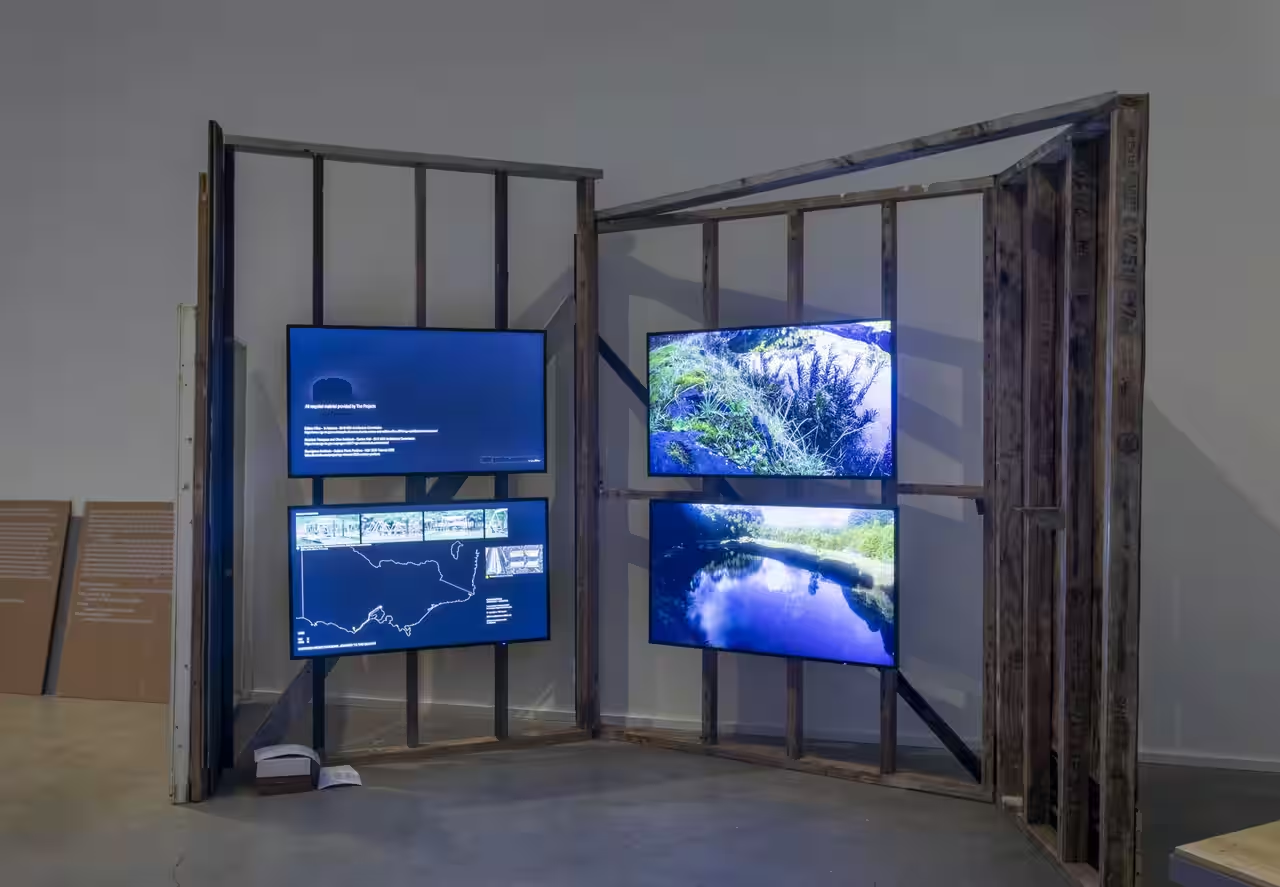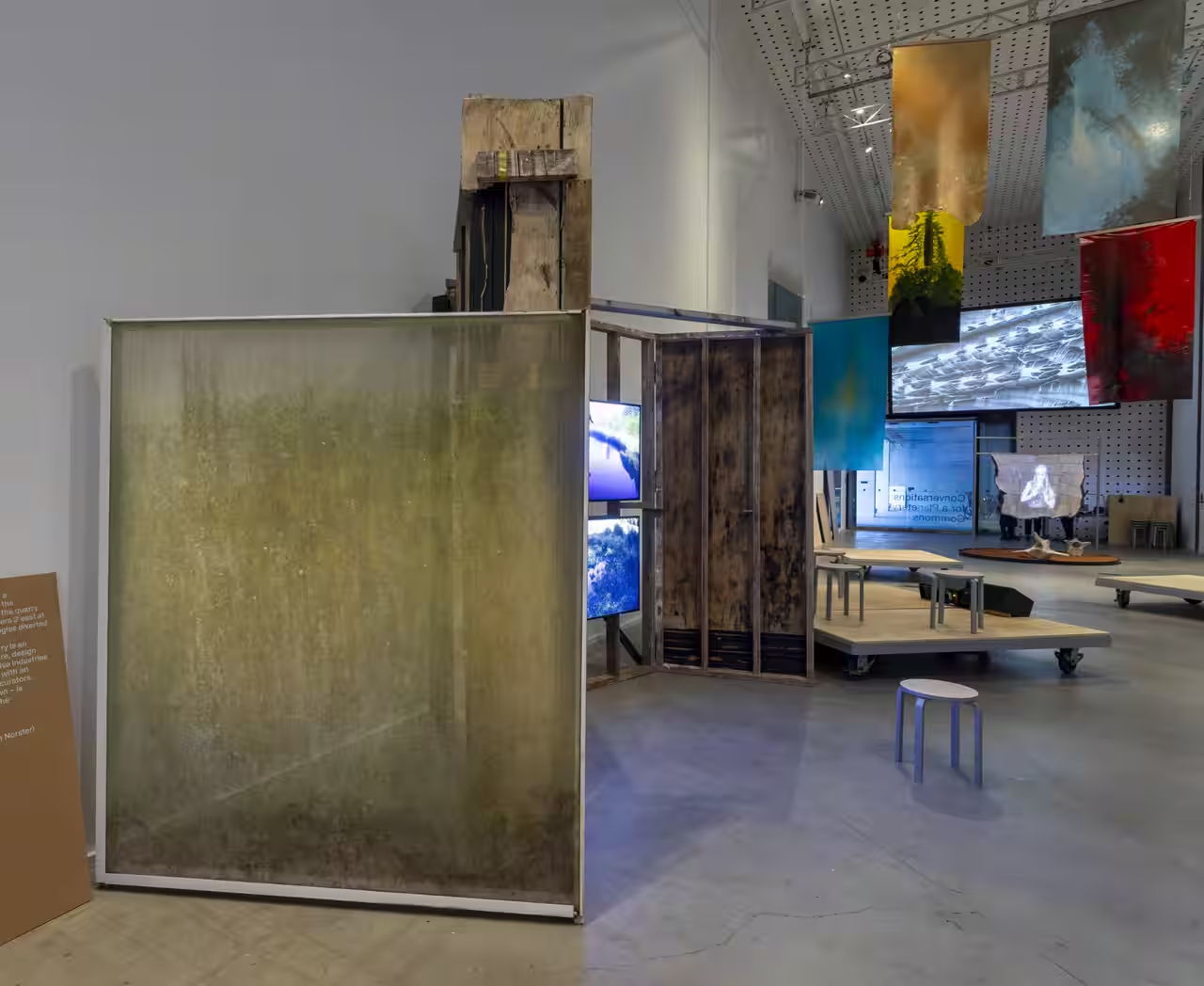
This research proposed an innovative approach to sustainable architecture by developing a system for the intelligent assembly of recycled materials, which inherently vary in geometry, size, and form. The project created a comprehensive material database to catalog the properties of salvaged materials, serving as the foundation for training reinforcement learning algorithms. These algorithms optimized the assembly process, aiming for structural integrity and aesthetic quality through discrete aggregation simulations. By integrating machine learning with recycled material usage, this project not only addressed environmental sustainability by reducing construction waste but also enhanced architectural design processes, potentially leading to more innovative and cost-effective construction practices. The ultimate goal was to demonstrate that sustainable methods can be effectively aligned with architectural innovation, pushing the boundaries of technology in design.
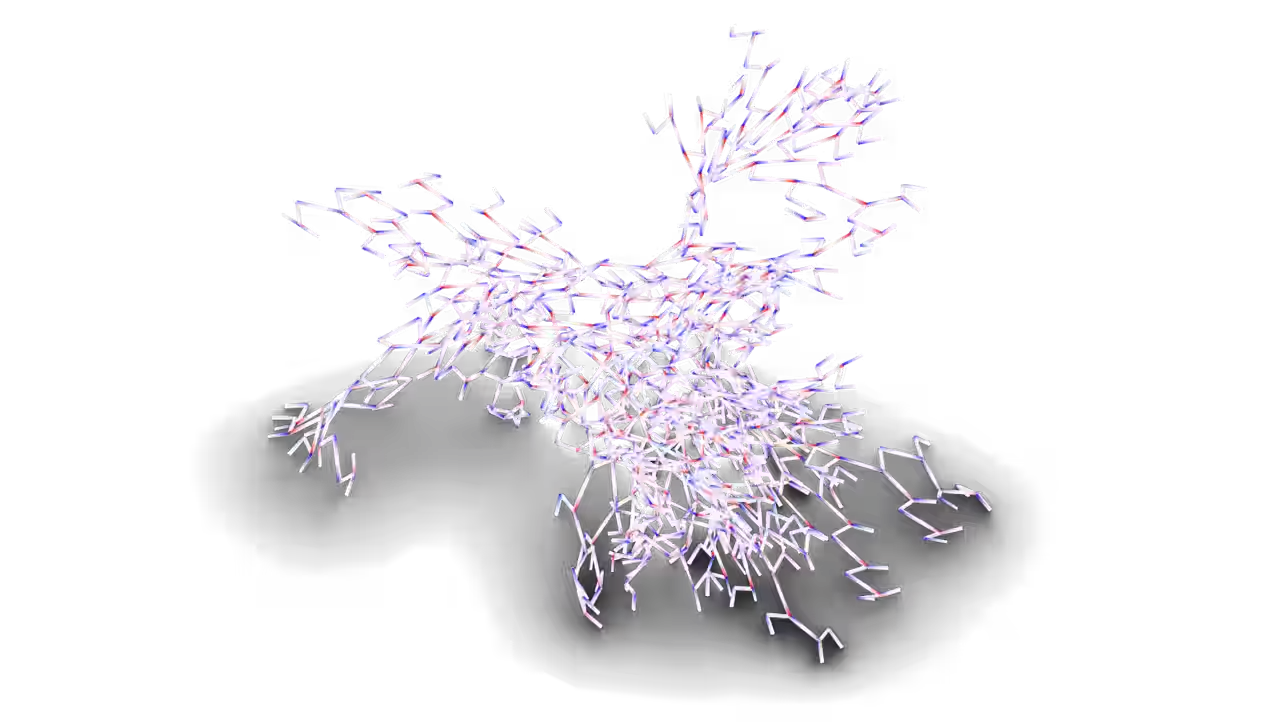
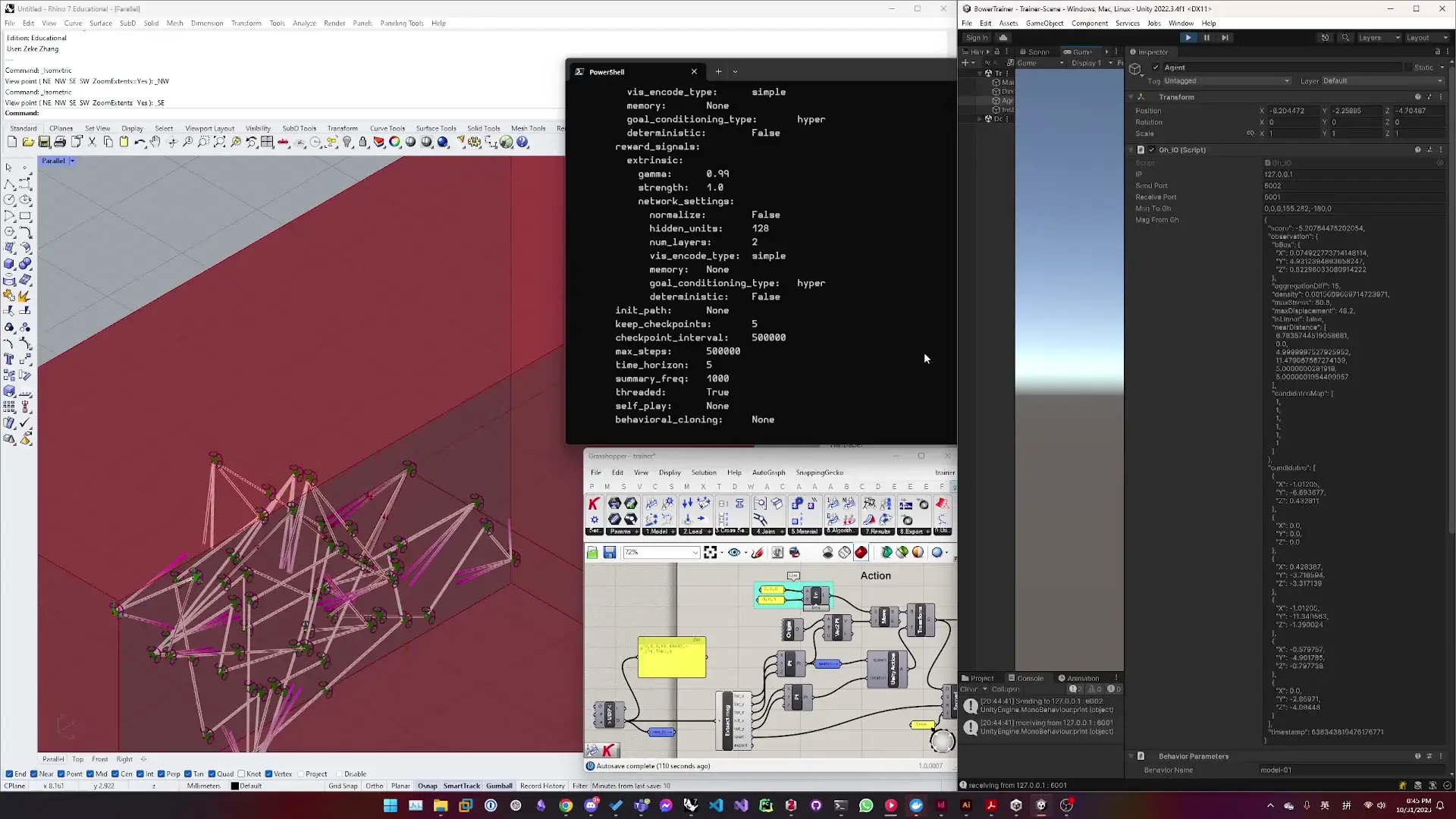
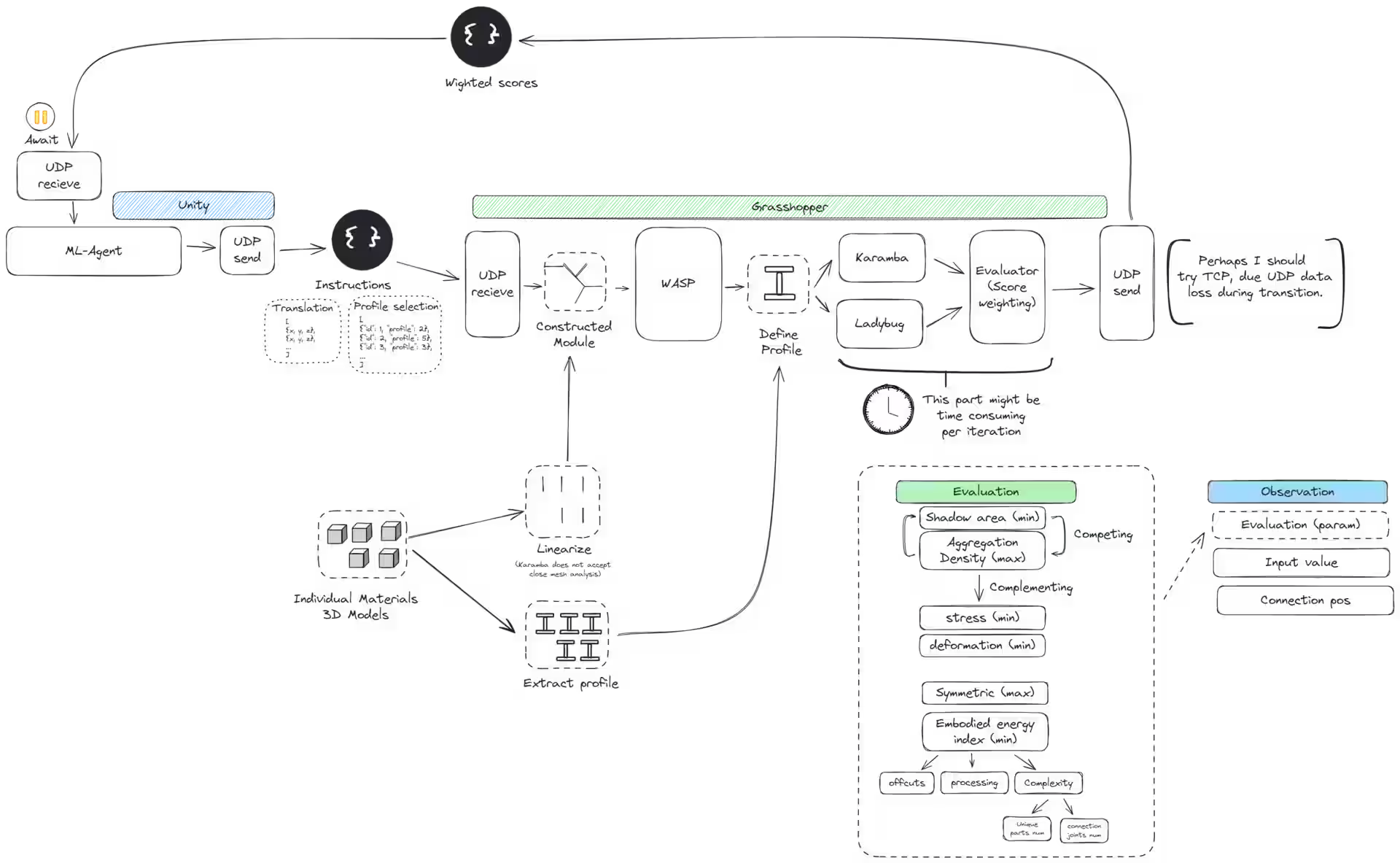
Cross-Platform Unity-Grasshopper RL Interoperability Workflow
// 5Cross-platform infrastructure establishes closed-loop interoperability between Unity and Grasshopper via UDP. Unity-hosted ML-Agents transmit action vectors for geometry generation and discrete aggregation via WASP. Multi-physics simulations (Karamba, Ladybug) subsequently derive weighted performance metrics, returning stress, deformation, and shadow area data as state observations and reward signals to complete the training cycle.
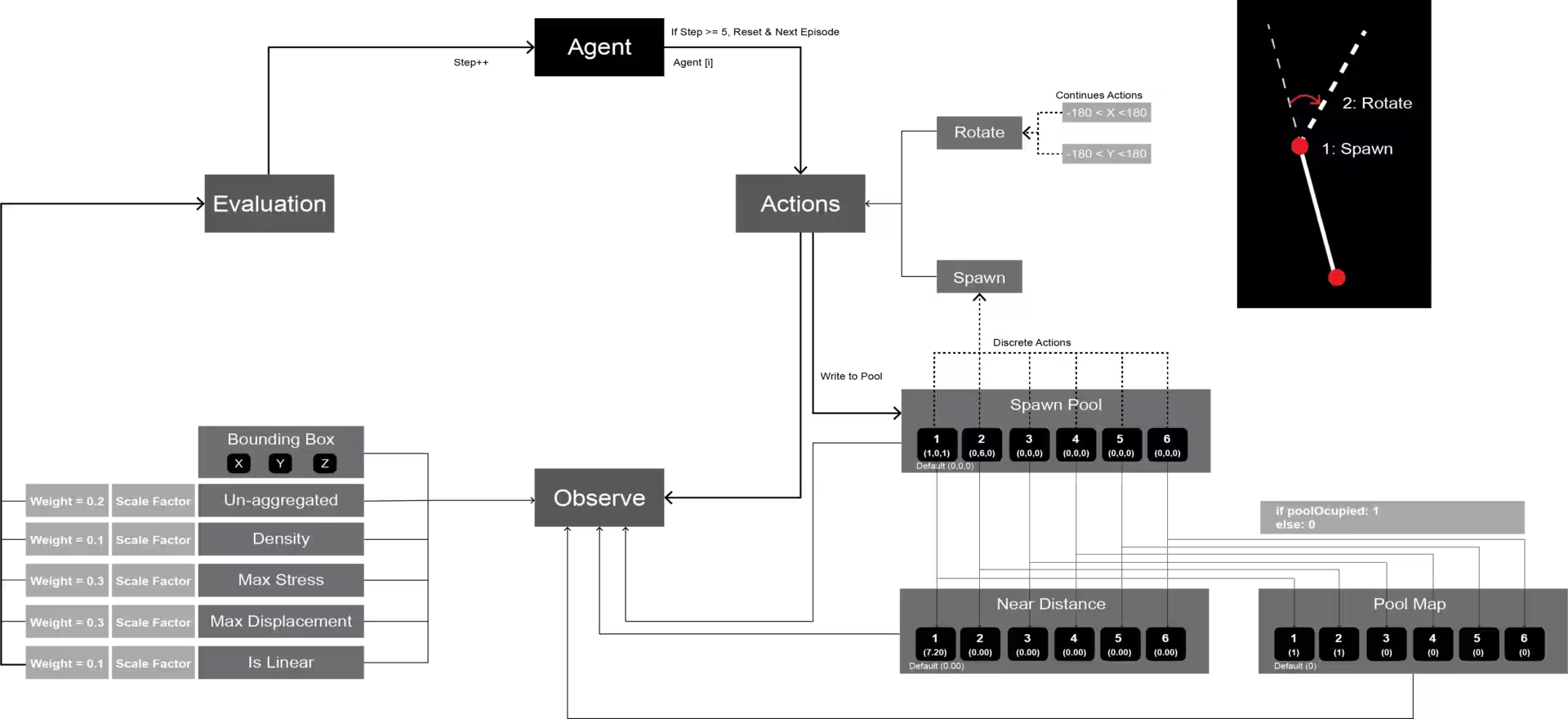
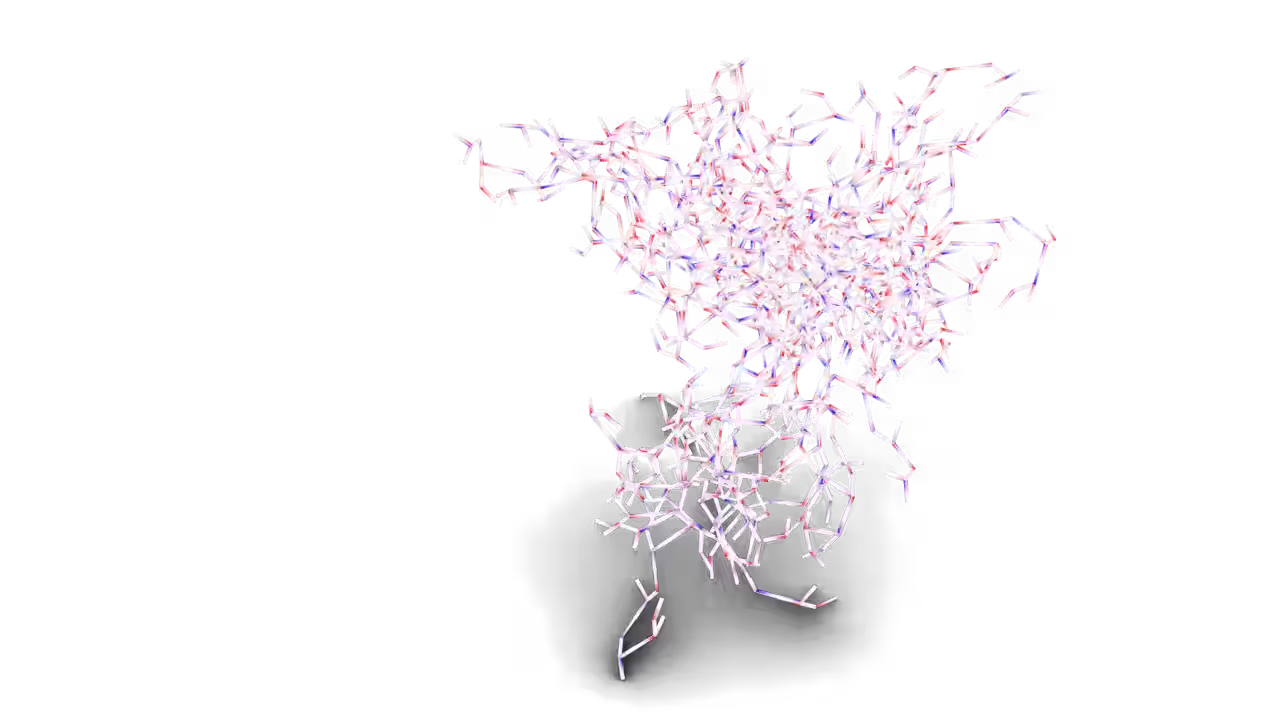
Discrete-Continuous Policy Execution and Weighted Reward Synthesis
// 6Episodic decision-making topology maps action spaces-continuous rotation and discrete spawning to environmental observation vectors. State representation logic incorporates spawn pool availability, neighbor distances, and bounding box constraints. A multi-objective reward function aggregates weighted parameters, including aggregation density and structural stress, to drive policy optimization during training.