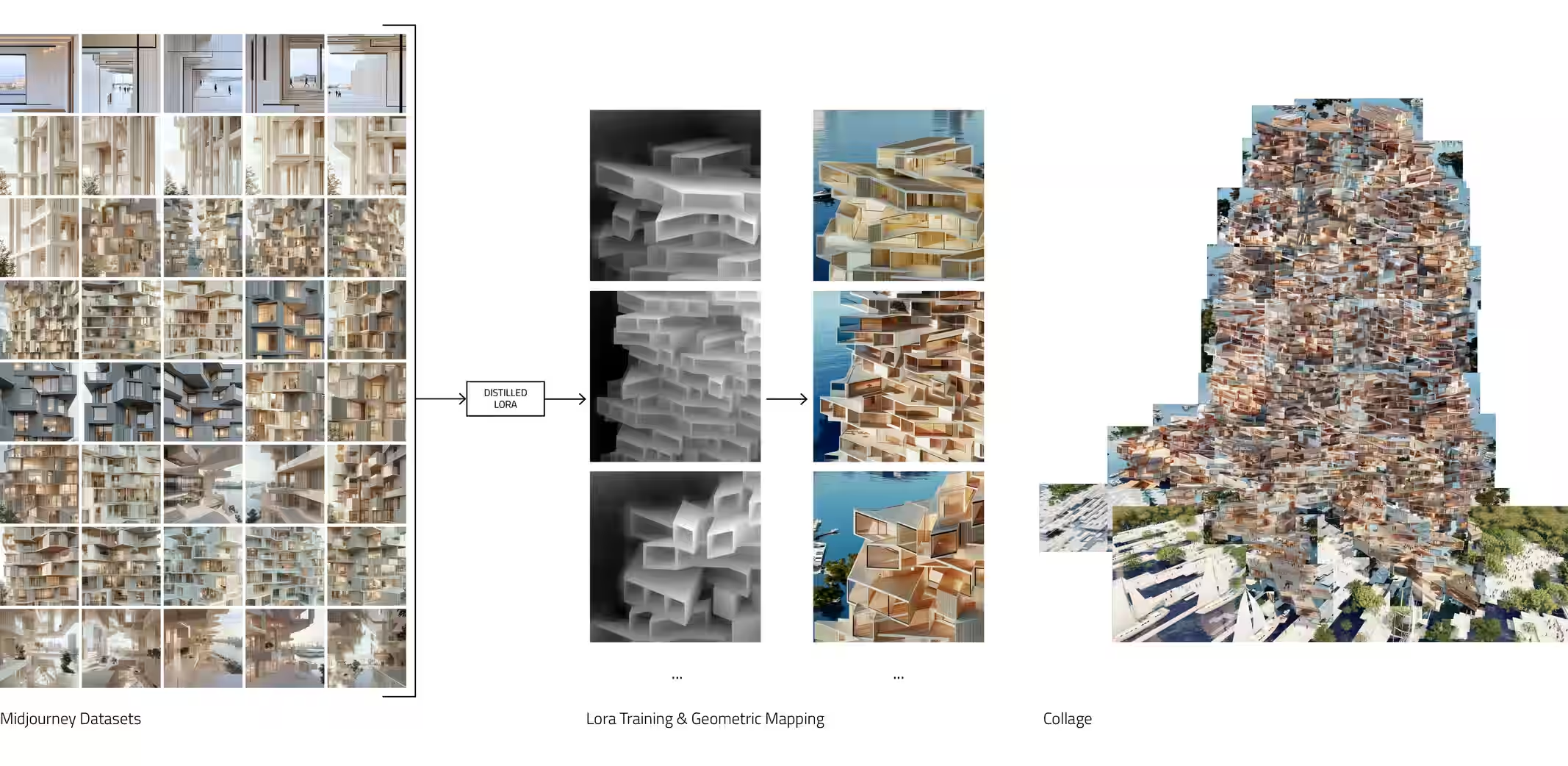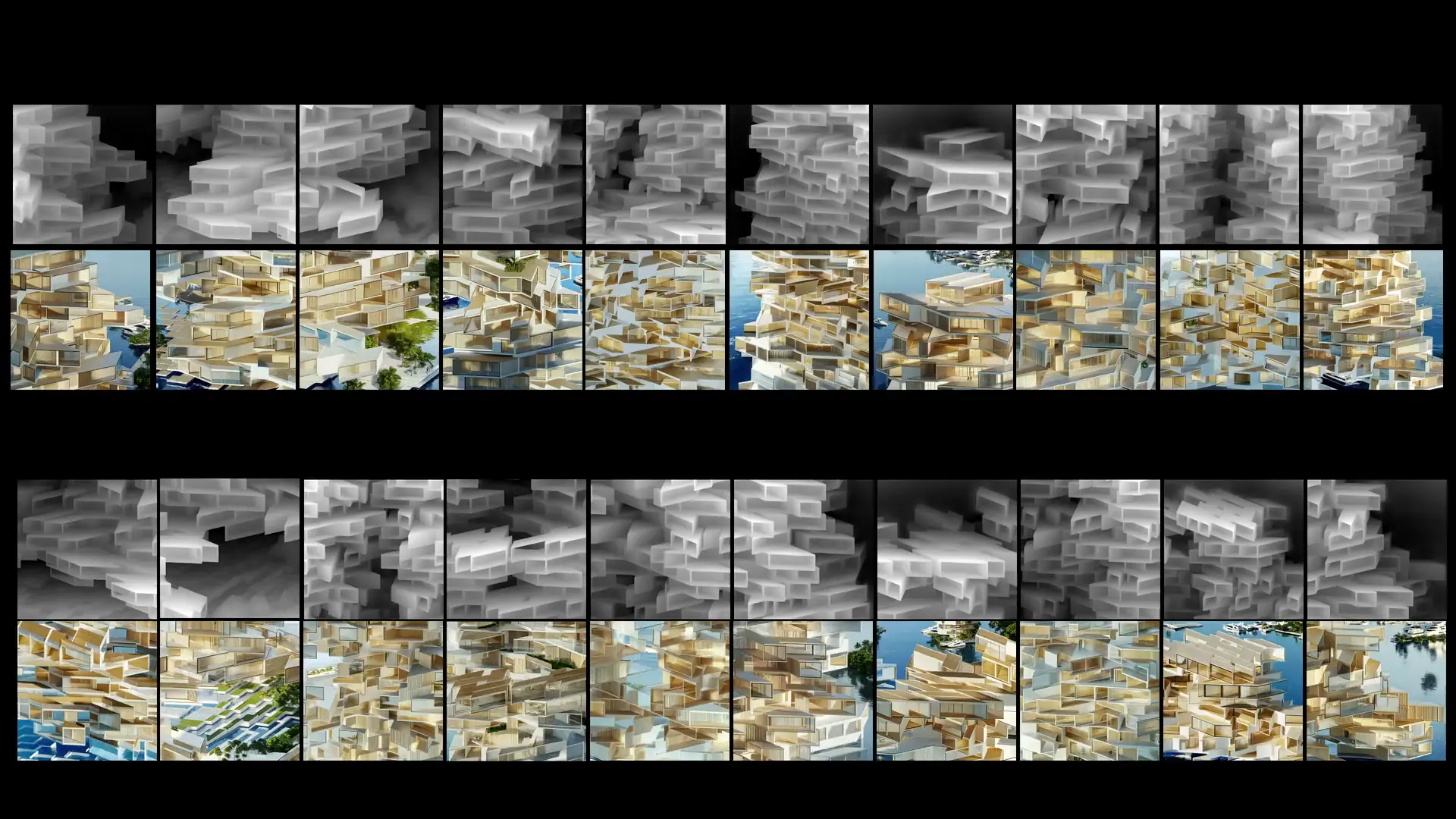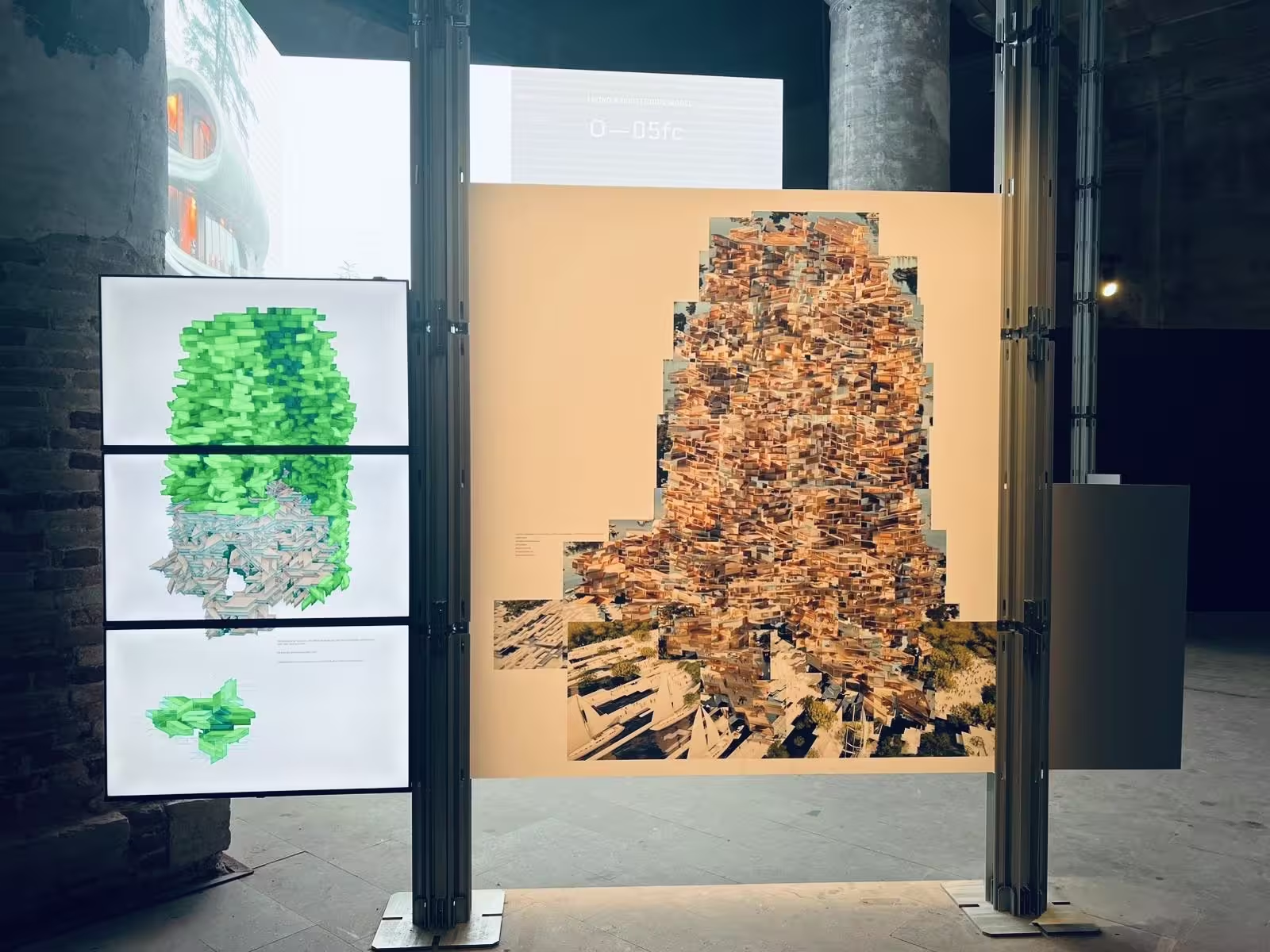
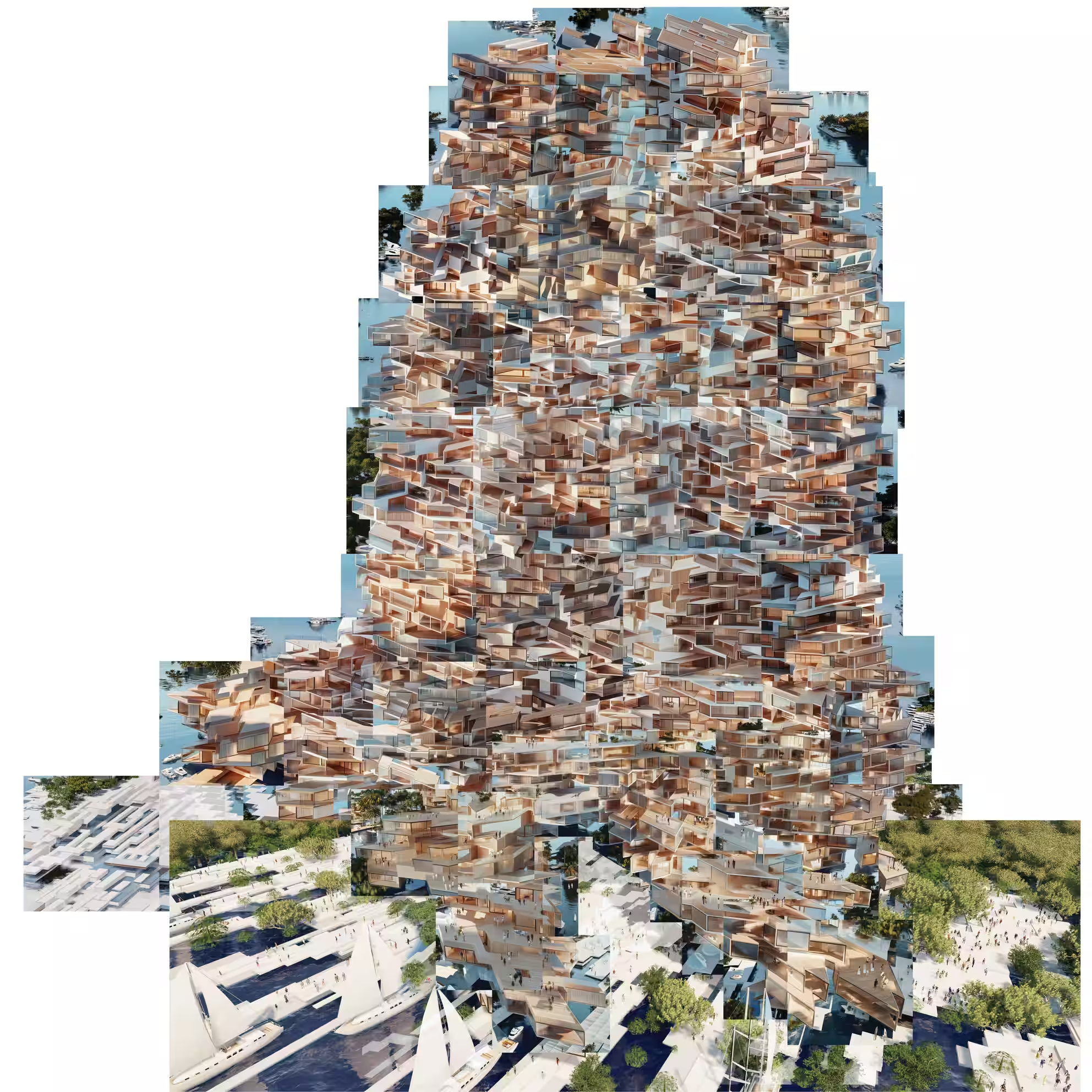
Agentic Architecture explores how AI and data-driven strategies can support the built environment in addressing systemic global challenges. Developed under the direction of Prof. Alisa Andrasek, the project was presented as a multi-channel video installation framing information as a connective hinge in ecological systems, positioning architecture as a responsive agent in the face of climate change and urban densification. Building on Andrasek's prior research in modular timber prefabrication, including the AI Timber Tower, the project advances AI-powered combinatorics in dry-joint timber construction to enable accessible, high-performance, and cost-effective design. This synthesis of ecological intelligence, advanced computation, and design innovation contributes to a new paradigm for architecture in complex urban ecosystems.
AGENTIC FIELD
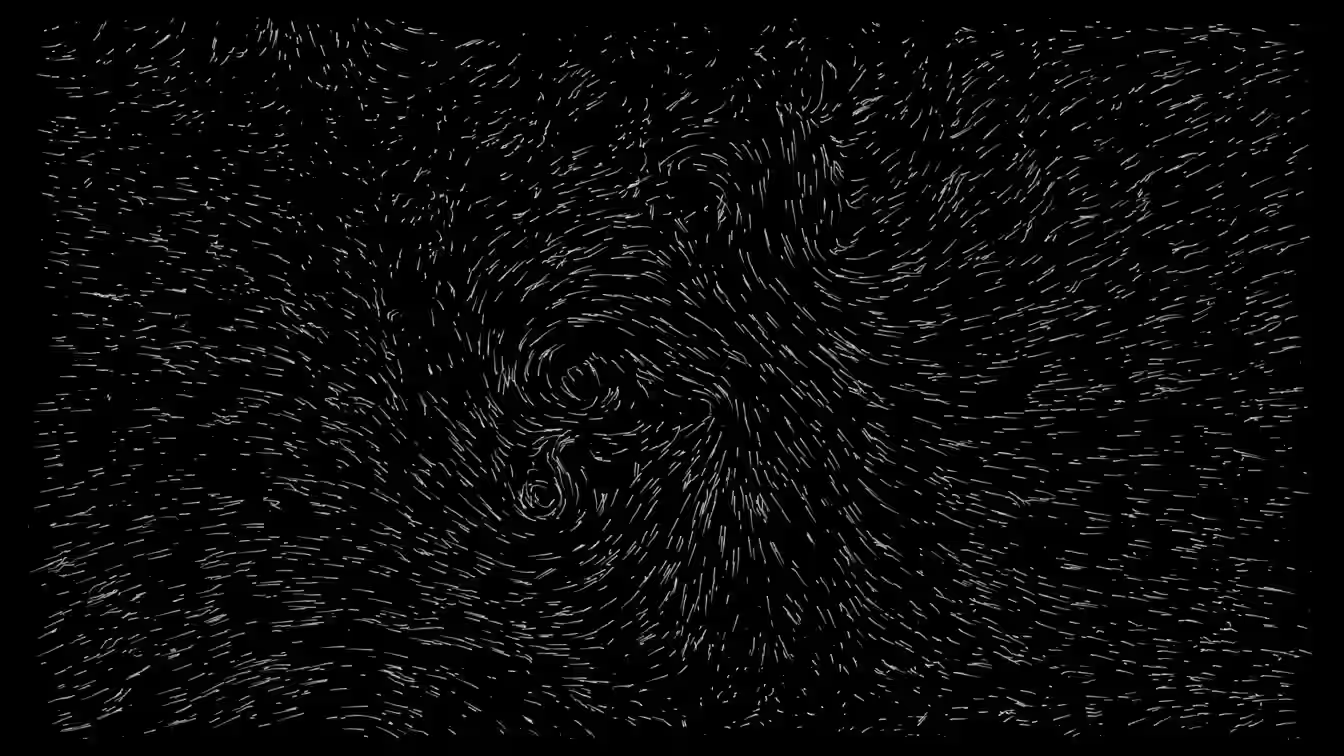
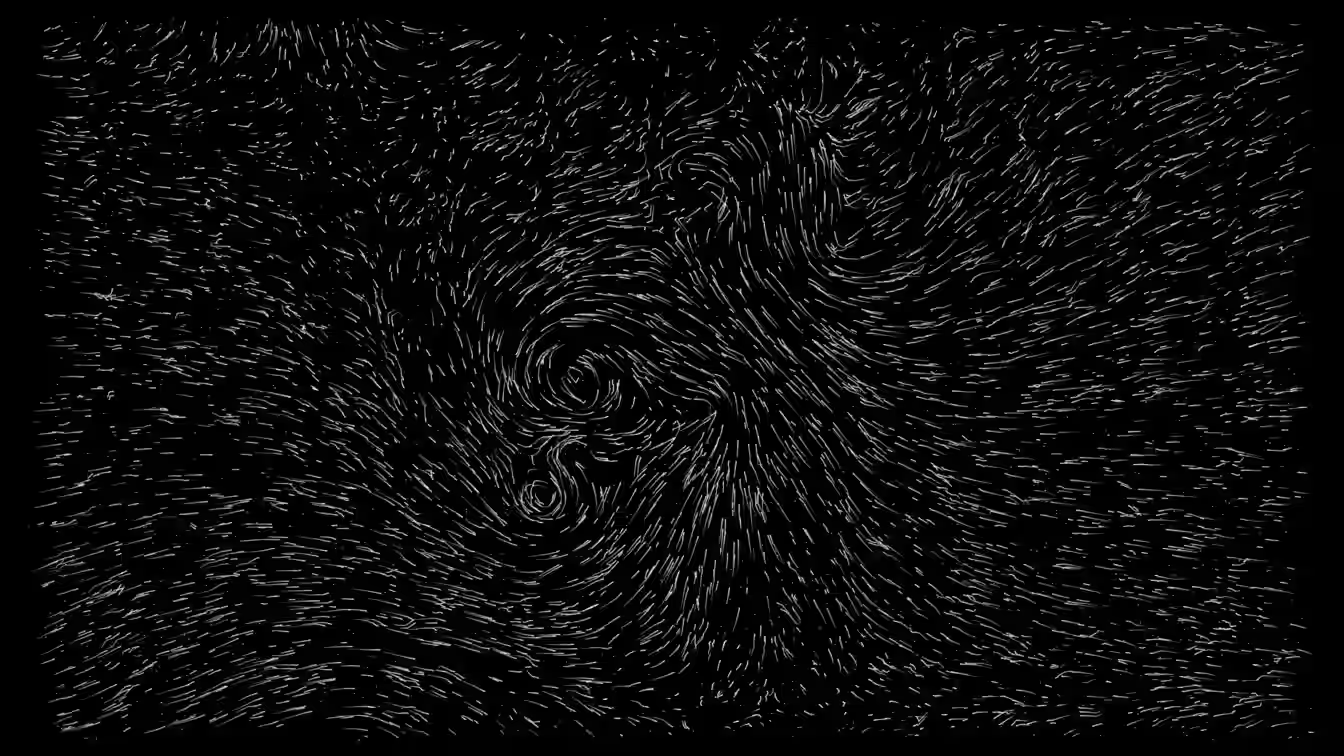
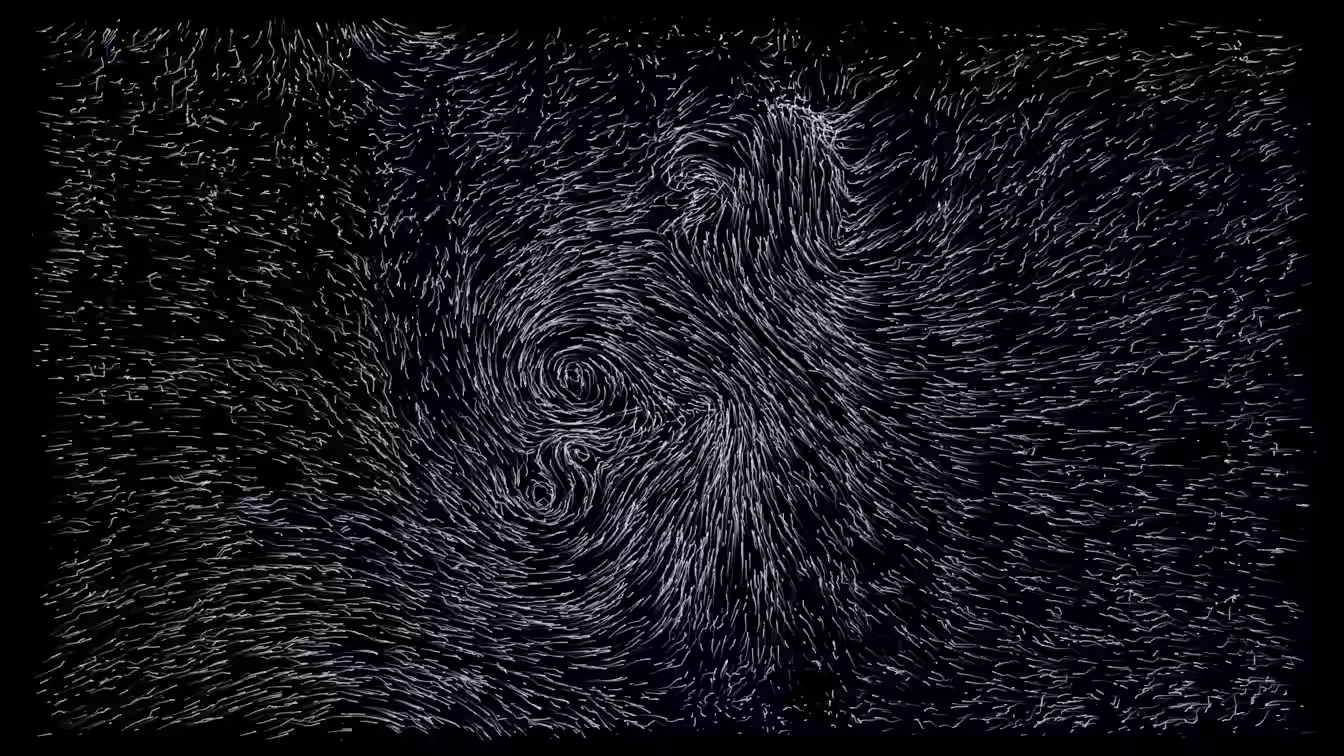
Agent-based simulations integrate magnetic-field analogies with classic flocking behaviors (cohesion, separation, and alignment) to generate directional flows and vortex-like dynamics reminiscent of storm systems. Each agent is driven by contextual site data, enabling autonomous decision-making while maintaining emergent collective coherence.


ALGORITHMIC ANALYSIS + SEGREGATION
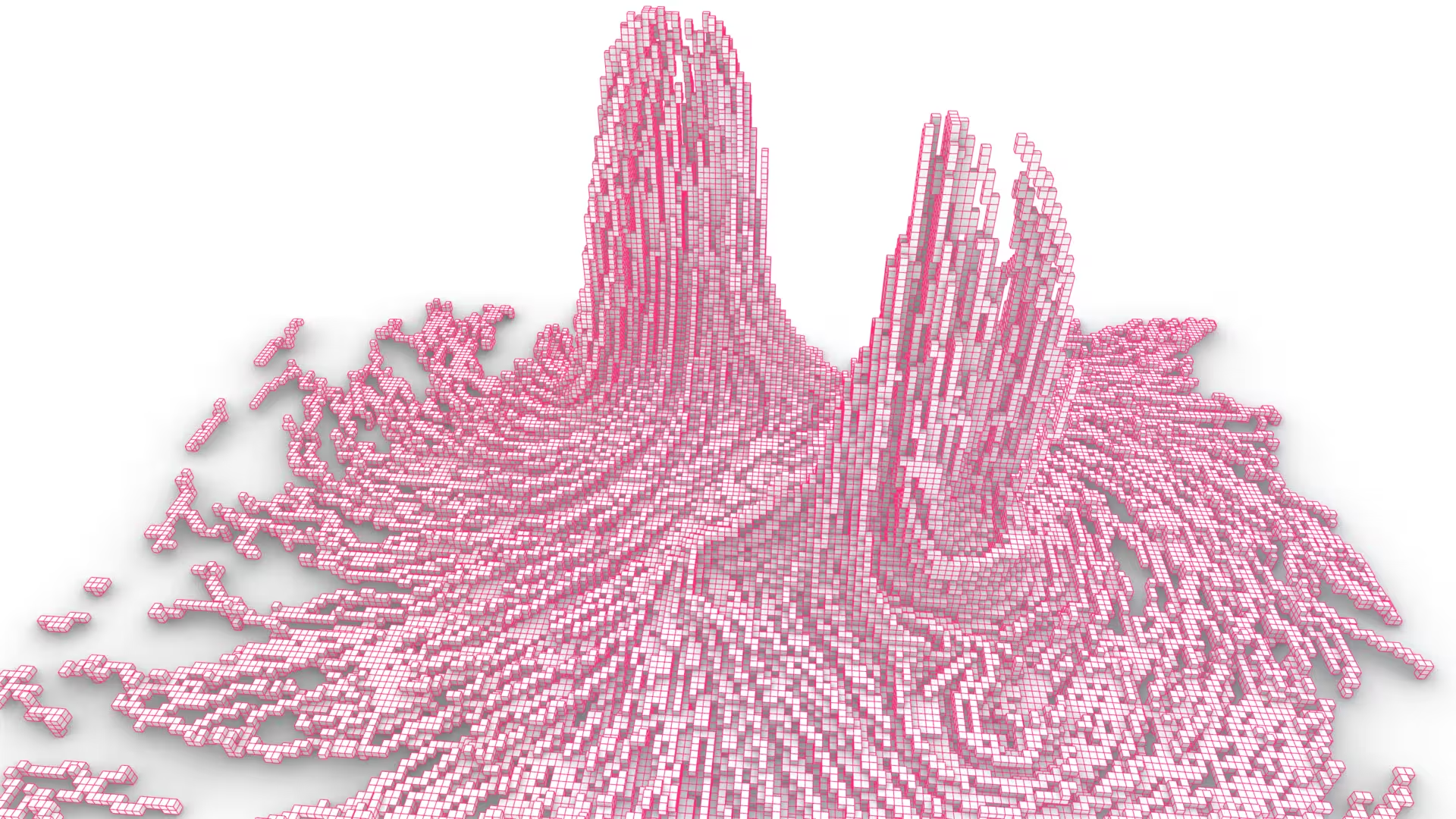
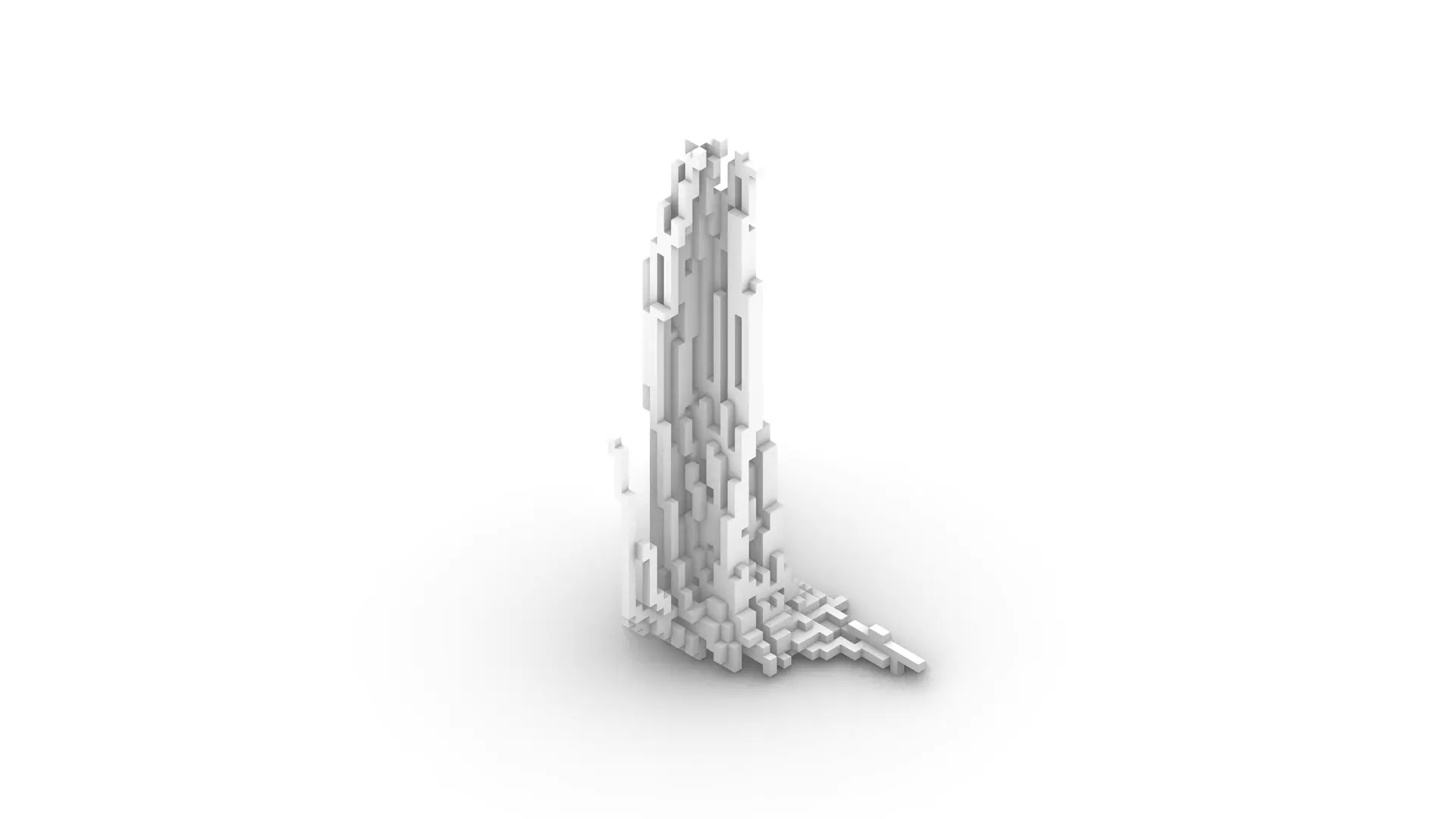
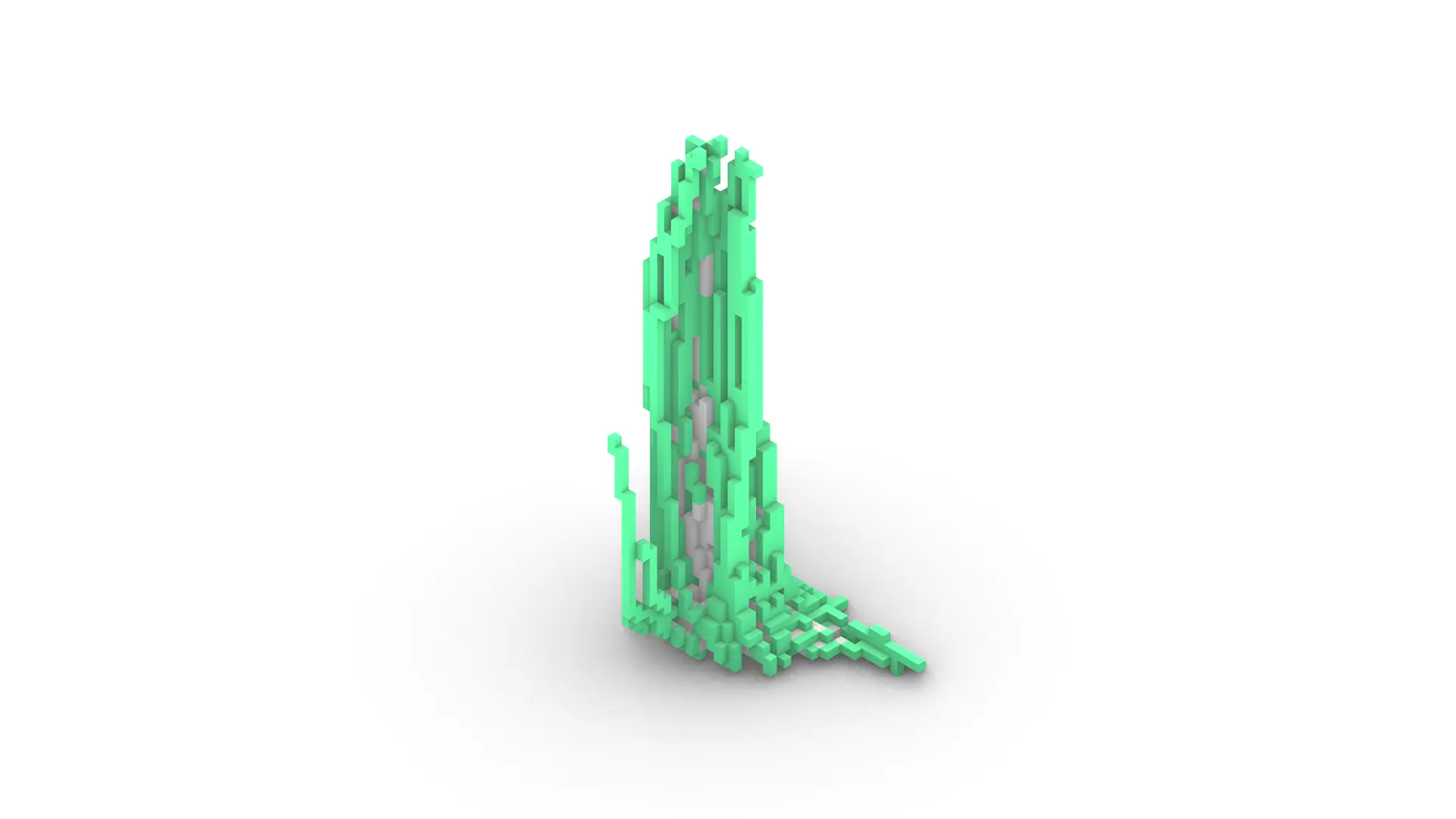
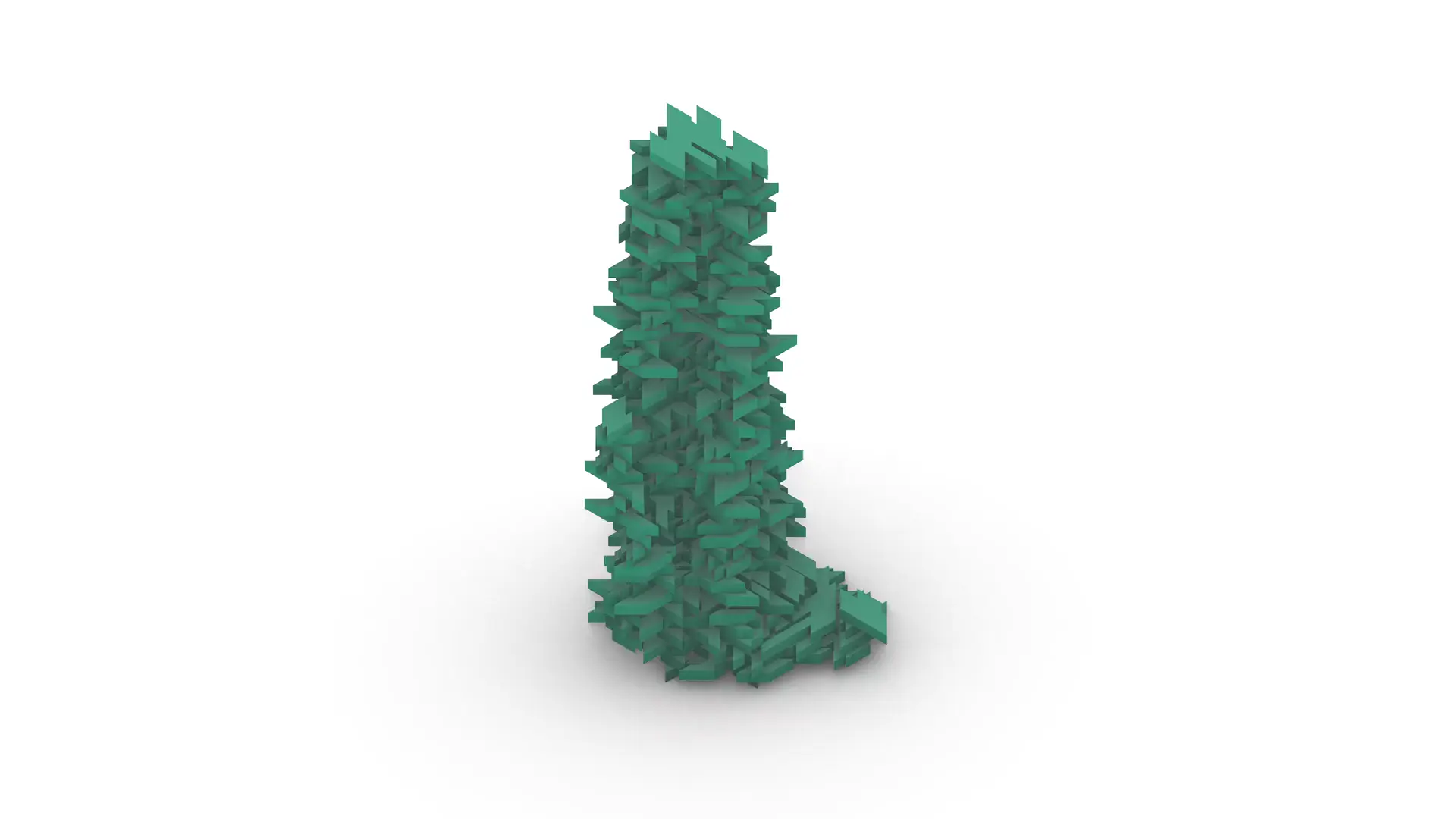
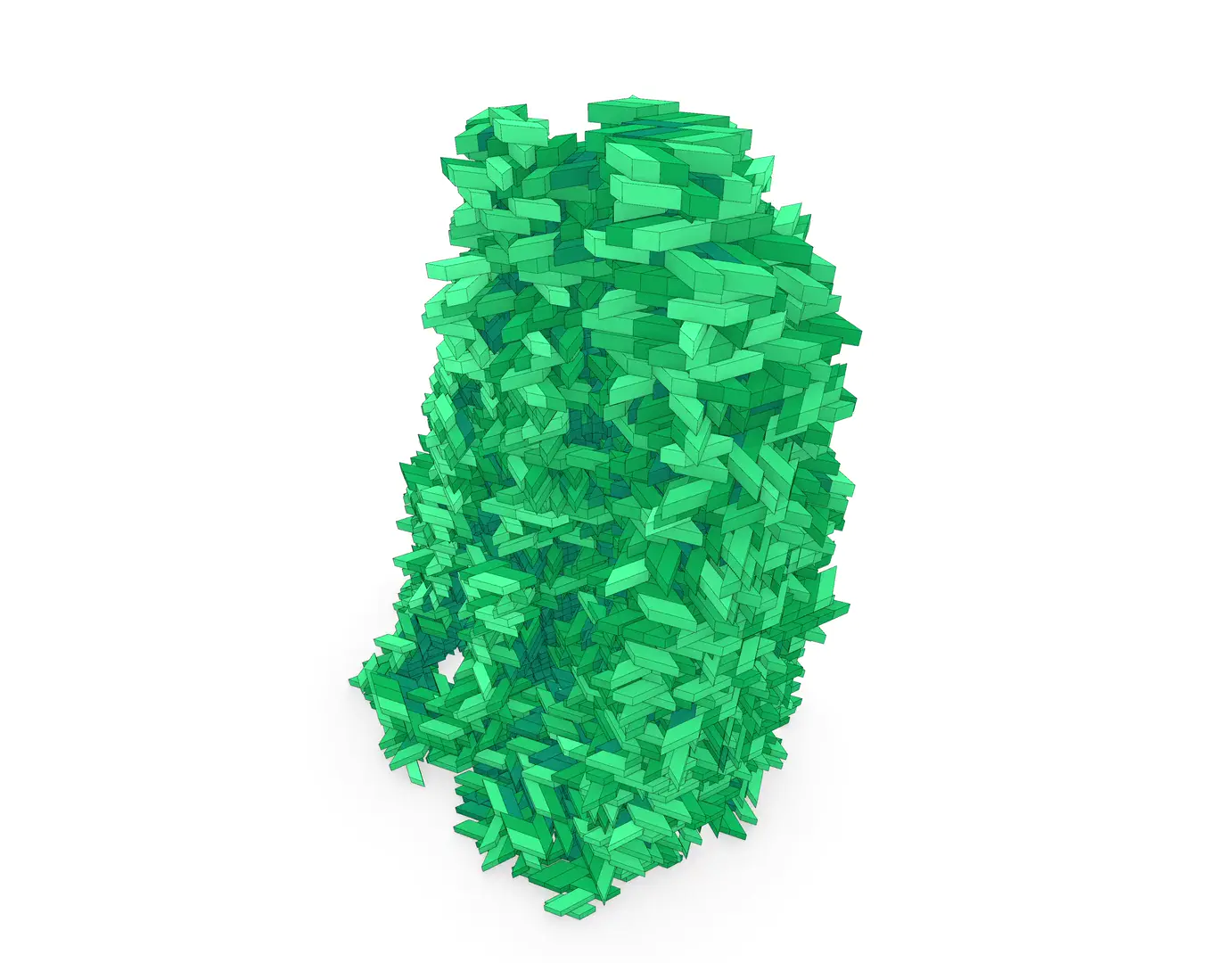
The agent-trail-generated voxel cloud is discretized and analyzed for view, solar irradiance, and wind performance. Each voxel is then assigned a simulation-derived numerical score, which governs volumetric zoning and the allocation of components. Components are then aggregated into clusters. Each component was designed with a focus on its connectivity and aggregation behaviors. When assembled, these components generate the 'micro' tectonic texture.
HUMAN VS NON-HUMAN
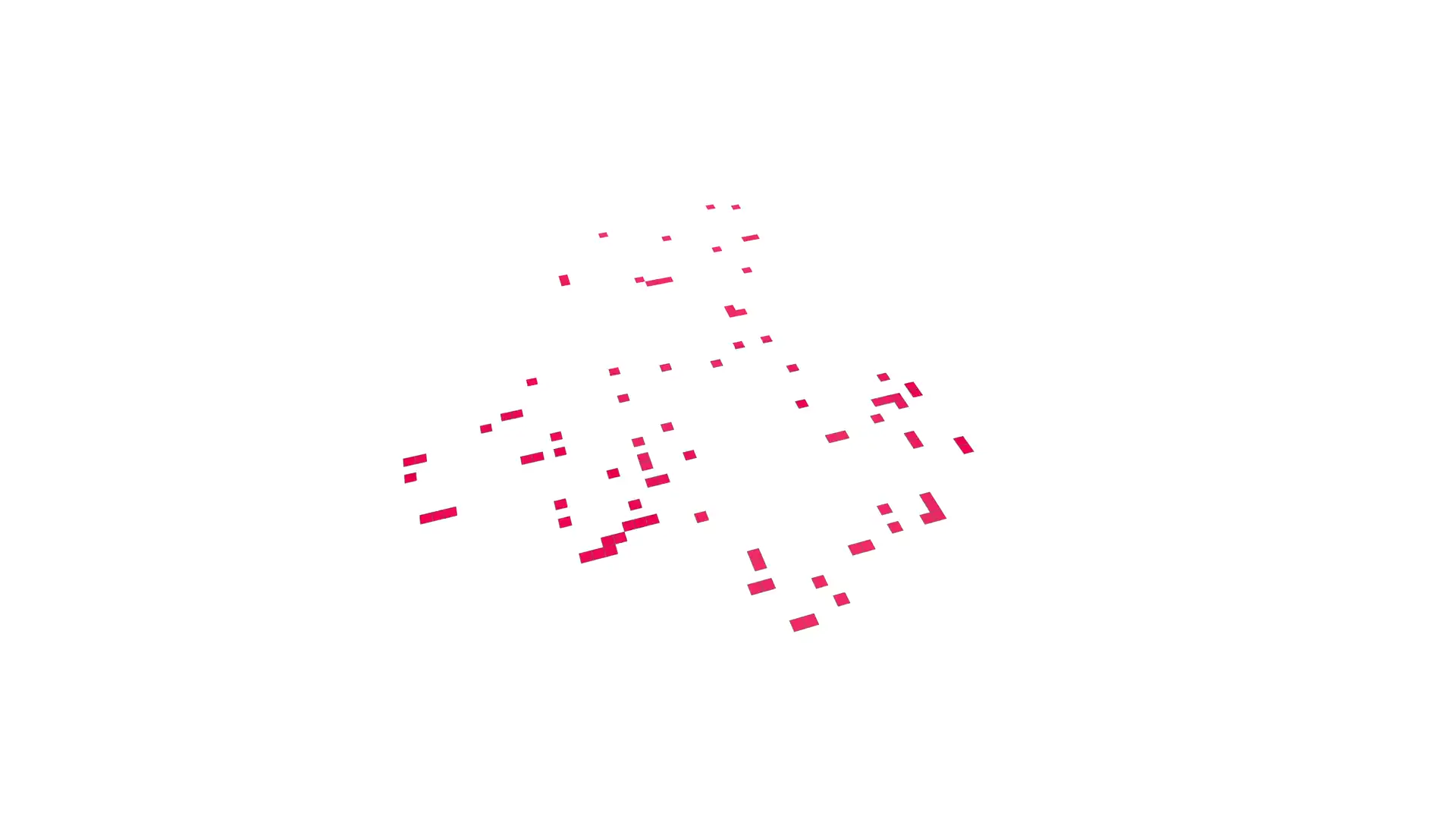
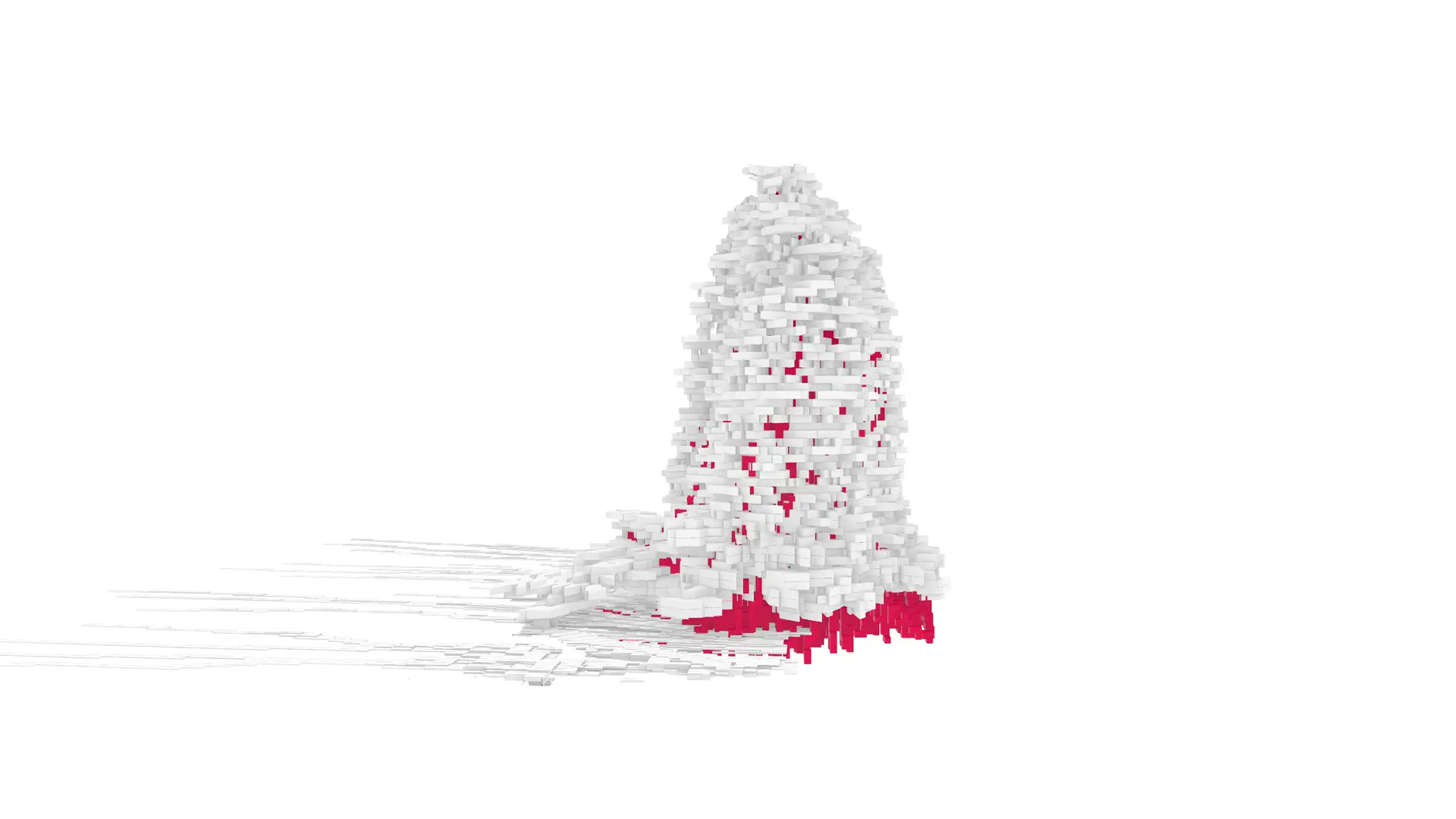
The tower's volume is stratified into human and non-human zones: the perimeter façades, which receive maximum daylight and offer optimal views, house habitable spaces, while the internal core, where light and outlook are limited is reserved for non-human activities.